Copa De Campeones Concacaf: The Ultimate Showdown Of Regional Football - While the Copa de Campeones Concacaf stands as a leading regional football tournament, it is often compared to other competitions such as the UEFA Champions League and Copa Libertadores. Each tournament offers unique characteristics and challenges, reflecting the distinct football cultures and traditions of their respective regions. Así fue la Concachampions 2025 Resultados, partidos y todo sobre la
While the Copa de Campeones Concacaf stands as a leading regional football tournament, it is often compared to other competitions such as the UEFA Champions League and Copa Libertadores. Each tournament offers unique characteristics and challenges, reflecting the distinct football cultures and traditions of their respective regions.
The Copa de Campeones Concacaf has witnessed numerous unforgettable moments that have defined its history. From dramatic comebacks to last-minute goals, these moments have etched themselves into the memories of fans and players alike. One such moment was the 2025 final between Pachuca and Atlante, where Pachuca secured victory in extra time, showcasing the tournament's intensity and unpredictability.
Several milestones mark the journey of the Copa de Campeones Concacaf:

The Copa de Campeones Concacaf represents the pinnacle of club football in the CONCACAF region, showcasing the best teams, players, and moments in regional football. From its rich history to its promising future, the tournament continues to captivate fans and stakeholders alike, driving the growth and development of football in the region.
Central American and Caribbean teams, while historically less prominent, continue to improve and occasionally surprise their more established counterparts. This diversity in participation enriches the tournament, offering fans a wide array of styles and strategies on display.
With increasing interest from global football stakeholders and the potential for partnerships with international organizations, the Copa de Campeones Concacaf is set to solidify its position as a premier regional football tournament.
Teams qualify for the Copa de Campeones Concacaf based on their performance in domestic leagues and regional competitions. The qualification process ensures that only the strongest teams compete at this level, maintaining the tournament's high standards and competitiveness.
Young talents also use the Copa de Campeones Concacaf as a platform to showcase their skills and attract interest from top clubs around the world. The tournament serves as a launchpad for emerging stars, providing them with exposure on a regional and international level.
The Copa de Campeones Concacaf consists of several key stages:
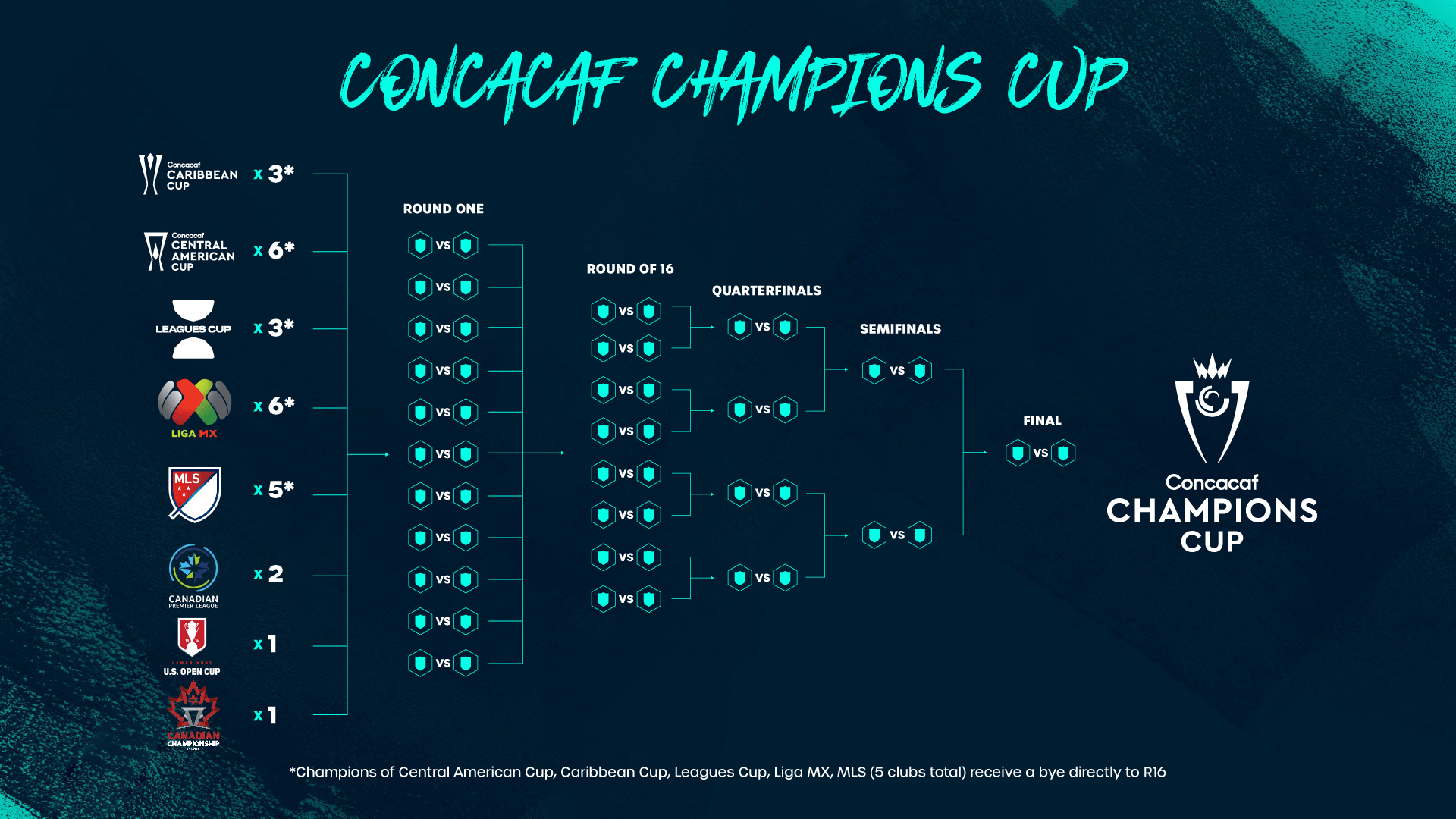
The Copa de Campeones Concacaf features some of the most renowned clubs in the CONCACAF region. Mexican teams have traditionally dominated the competition, with clubs like Chivas de Guadalajara and Tigres UANL frequently appearing in the finals. In recent years, MLS teams such as Seattle Sounders FC and LA Galaxy have also made significant strides, challenging the Mexican juggernauts.
The Copa de Campeones Concacaf traces its roots back to the formation of the CONCACAF Champions' Cup in 1962. Over the years, the tournament has undergone several transformations, evolving into the modern-day Copa de Campeones Concacaf. Initially, the competition was dominated by clubs from Mexico and Central America, with Mexican teams establishing a strong presence in the tournament.
In 2008, the format was revamped to become the CONCACAF Champions League, aligning more closely with international standards and increasing the tournament's prestige. This change brought greater participation from Major League Soccer (MLS) teams in the United States, enhancing the competition's profile and competitiveness. The evolution of the Copa de Campeones Concacaf reflects the growing importance of regional football and its integration into the global football landscape.